Llamas are true all-rounders from the Andes: reliable pack animals, graceful herd livestock – and the source of a fine and fascinating fibre. They’re unmistakeable, with their characteristic, slightly banana-shaped ears. And although the llama was originally domesticated for use as a pack animal, its true secret lies in the wool. Llama fibres combine lightness, warmth and ruggedness in a very special way, and are attaining increasing importance in the textile world.
In this article we consider why llama wool is so special, how it differs from alpaca and what makes our BABY LAMA so unique.
Llama or Alpaca
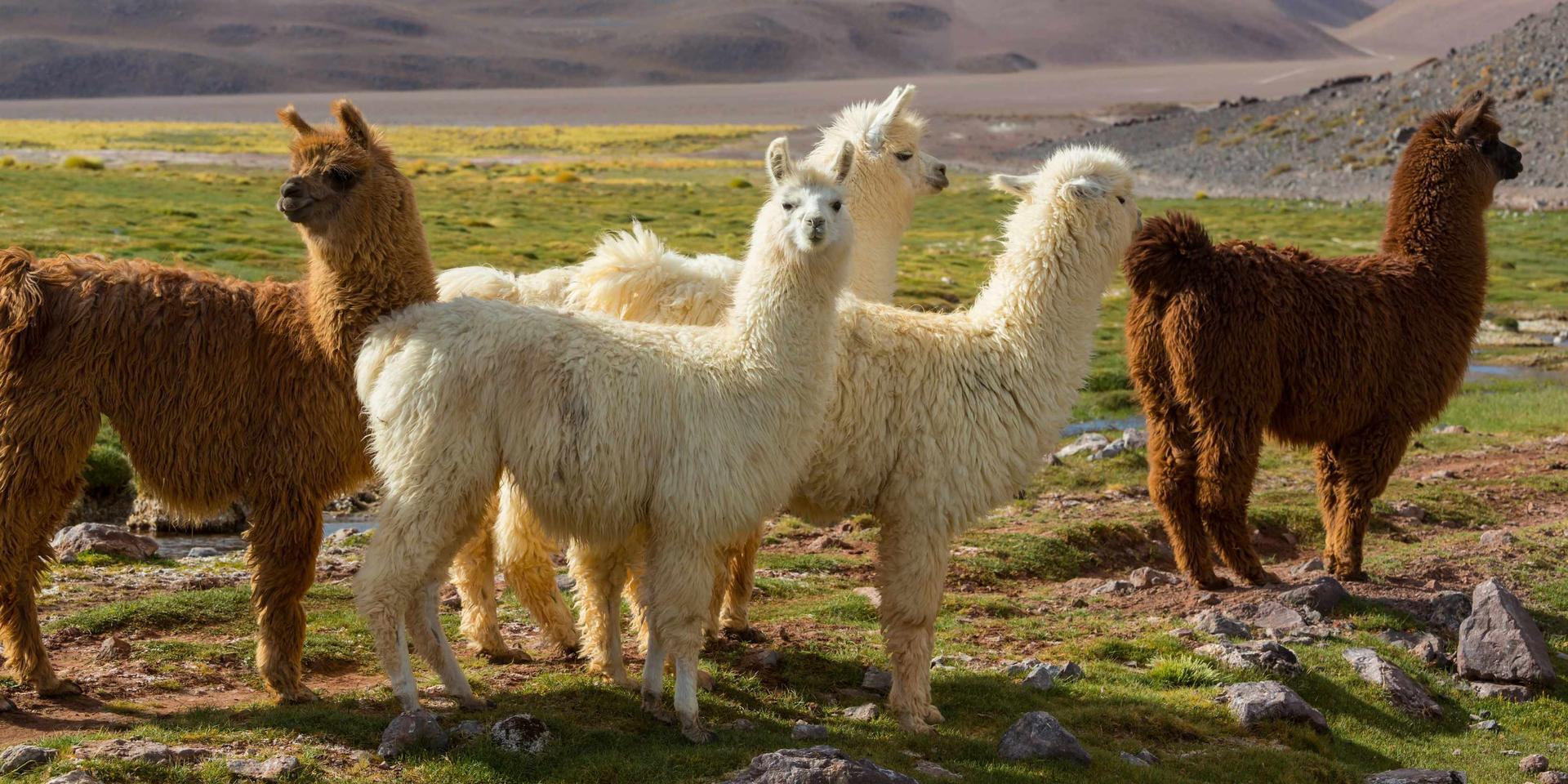
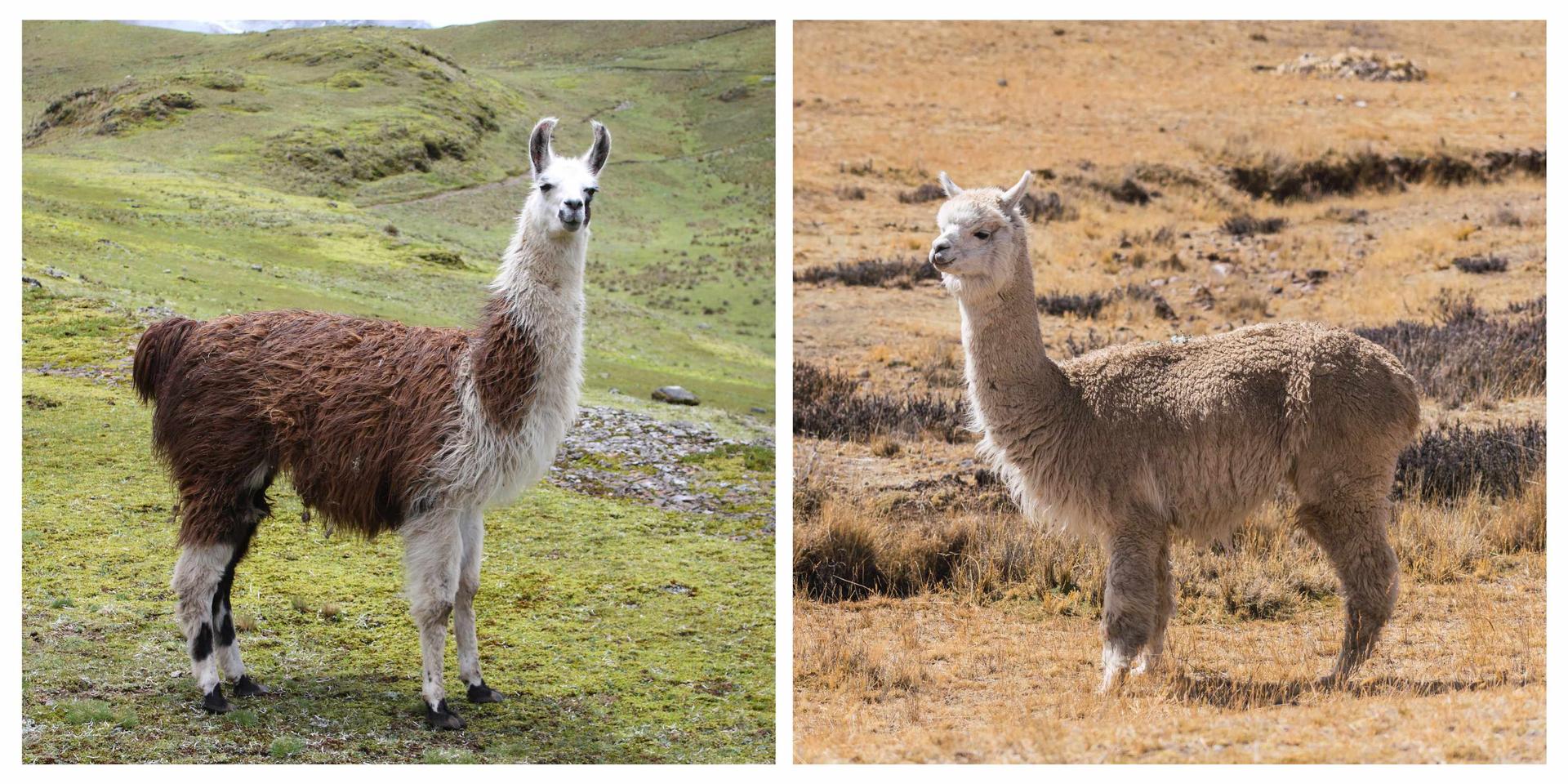
Llamas and alpacas often get mixed up. No great surprise, really, as both belong to the family of New World Camelids, and at first glance seem quite similar. But there are in fact significant differences:
- Body size: Llamas are considerably larger than alpacas. A llama reaches a height of up to 130 cm to the shoulder and weighs on average about 140 kg, while the alpaca is smaller with a shoulder height of approximately 90 cm and average weight of about 60 kg.
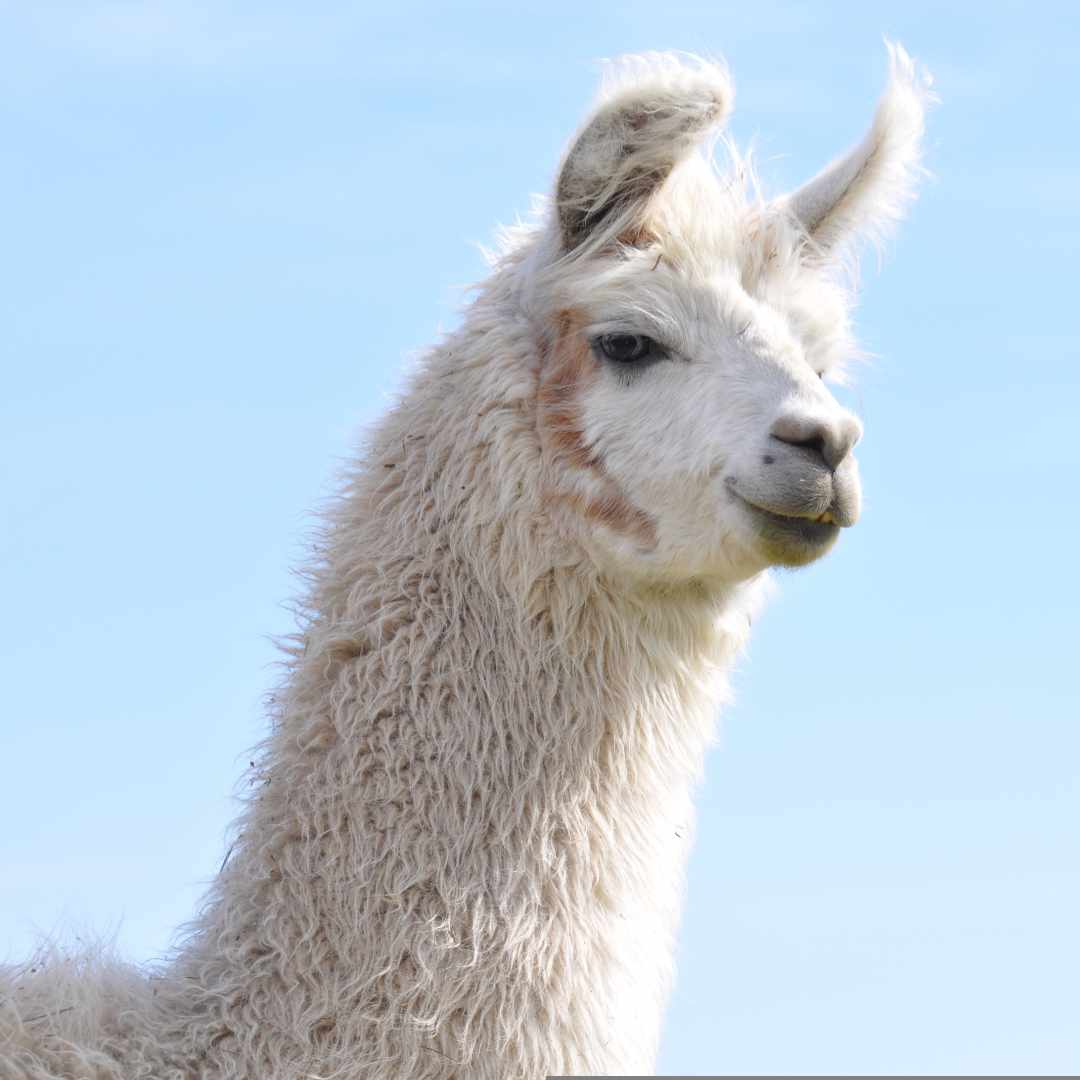
- Ear shape: Llamas have long, curved, slightly crescent-shaped ears. Alpacas, on the other hand, have shorter, straighter ears.
- The wool: Both of these animals have a fine, dense undercoat, worthy of note for its excellent thermal qualities, as the fibre is hollow or partially hollow inside. The resulting air pockets make them lighter and more efficient at regulating temperature compared to other wool fibres.
Attributes of llama fibres
Llama fibres are real natural talents. Their hollow and partially hollow structure brings numerous advantages:
- Lightness and warmth: due to the hollow areas in the fibre, llamas can store warmth naturally – a principle that is carried over into textiles. Llama fibre are featherlight, insulating and comfortably breathable.
- Softness: llama fibres possess a natural, almost velvety softness, so they just glide through your hands and feel pleasing on the skin. Baby Llama fibres, therefore, are something very special: rather than coming from young animals – as the name implies – this term refers to the finest quality of llama wool. Obtained from the soft undercoat of the animals, these fibres have a diameter of only 20 to 22 microns and offer unparalleled softness.
- Skin-friendly thanks to low lanolin content: compared with sheep’s wool, llama fibre contains very little lanolin. That makes it easily tolerated, even by sensitive skin.
- Robust and stable: llama wool is amazingly long-lasting and offers exceptional stability, retaining its shape well. In direct comparison, it can easily compete with other premium fibres such as alpaca or cashmere.
Llama wool from LANGYARNS
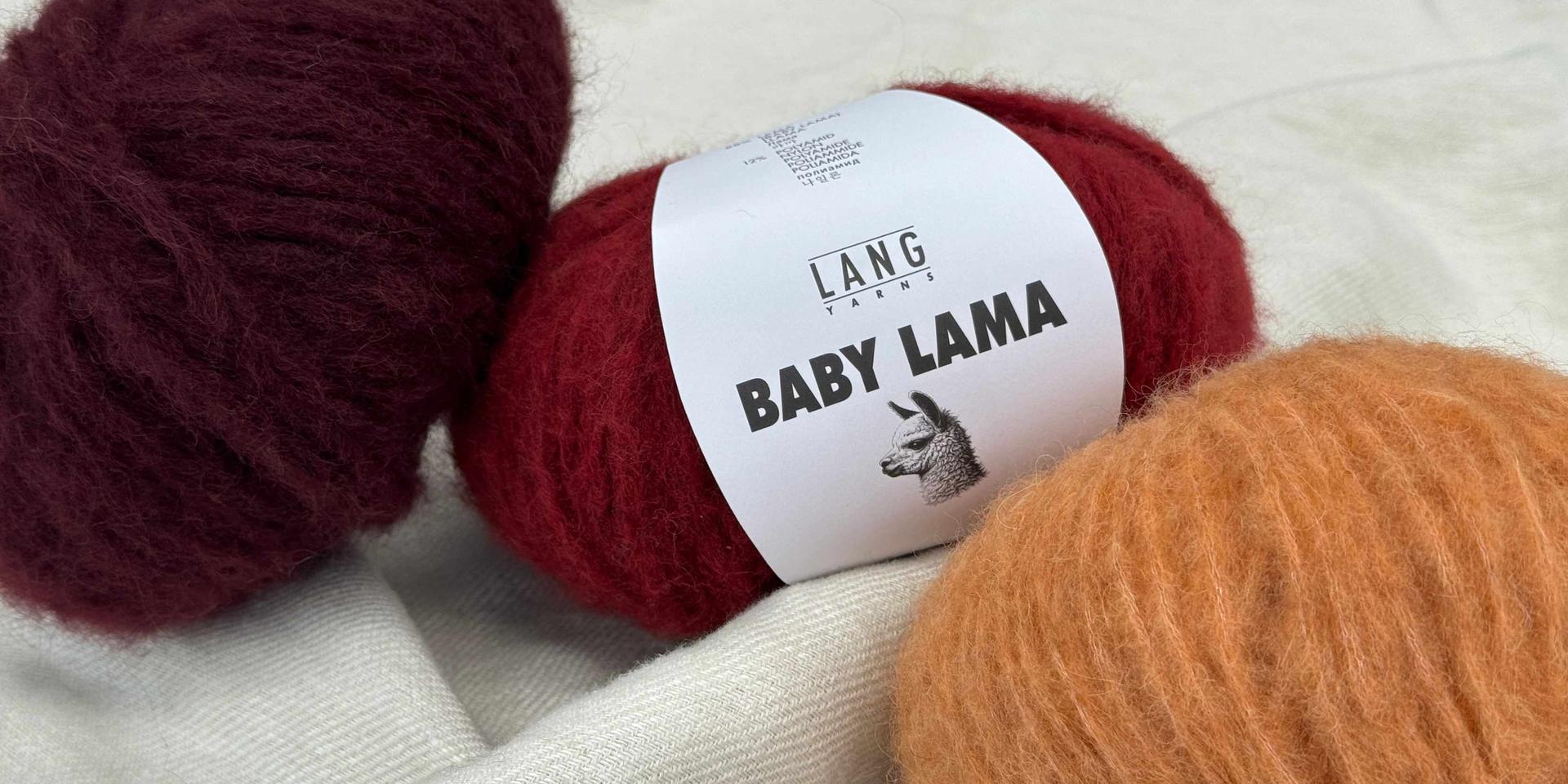
Do you fancy knitting something with llama wool now? We recommend BABY LAMA.
It combines the natural attributes of the llama fibres with a considered construction: a fine nylon thread is made into a chain and the buttery-soft baby llama fibres are gently blown into it. As a result, the yarn is...
- ...lighter and more voluminous than classic, spun yarns.
- ...extra soft – ideal even for people with sensitive skin.
- ...stable in form and therefore perfect for long-lasting pieces.
- ...warming and yet featherlight.
BABY LAMA is available in a palette of natural shades as well as a finely-tuned selection of colours, designed to bring your creative projects to life.



.jpg)
.png)